
Brushes for Polyurethane at a Glance
One rule determines your brush choice: match bristle type to finish type. Natural bristle for oil-based polyurethane, synthetic bristle for water-based. Use the wrong one and the finish will be streaky no matter how careful your technique. Get it right and a $15 brush produces a glass-smooth result.
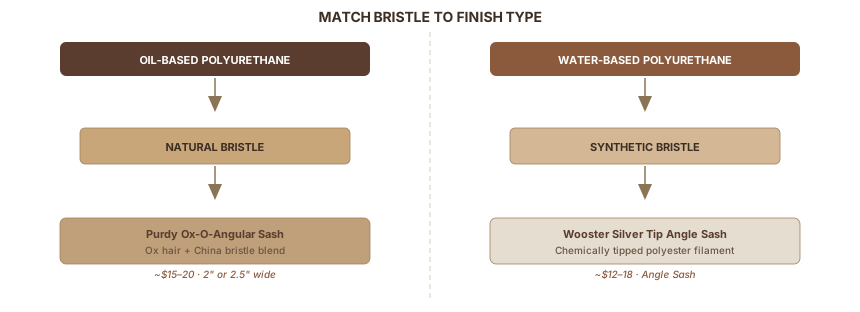
| Oil-based poly brush | Purdy Ox-O-Angular Sash — natural bristle, ~$15-20 |
| Water-based poly brush | Wooster Silver Tip Angle Sash — synthetic, ~$12-18 |
| Natural bristle | Oil-based ONLY (swells and streaks in water-based) |
| Synthetic bristle | Water-based ONLY (doesn't hold oil-based finish well) |
| Brush width for large surfaces | 2.5–3" (table tops, shelves, floors) |
| Brush width for trim and edges | 1.5–2" |
In this guide:
- Pick the right bristle type for your finish
- Which specific brushes to buy
- Apply polyurethane without brush marks
- Clean and store your brush properly
Part 1: Natural Bristle for Oil-Based, Synthetic for Water-Based
This is the only rule worth memorizing. Get it backwards and no amount of technique will save your finish.
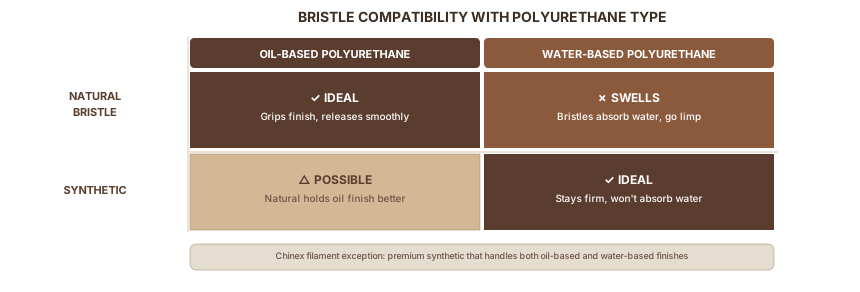
Why natural bristle works with oil-based poly: Natural animal hair (ox, boar, China bristle) has a texture and structure that grips oil-based finishes and releases them smoothly. The bristles hold a generous amount of finish per stroke, which means fewer trips back to the can and better coverage.
Why natural bristle fails with water-based poly: Natural bristles absorb water. Load them into a water-based finish and they swell, go limp, and lose their shape. AWI QCP's finishing guide confirms this: a waterlogged natural bristle can't apply an even coat. You'll see streaks and ridges no matter how carefully you work.
Why synthetic works with water-based: Synthetic filaments (nylon/polyester) don't absorb water. They stay stiff throughout application. Water-based poly dries fast — you need a brush that stays responsive from first stroke to last. Synthetic does.
The Chinex exception: Some brushes use a special synthetic filament called Chinex that handles both oil and water-based finishes. These are premium brushes in the Purdy lineup. If you only use one finish type, buy the matching brush. If you switch between them constantly, a Chinex brush covers both.
If you're not sure which polyurethane you have: oil-based cleans up with mineral spirits, water-based cleans up with soap and water. That's your answer.
Part 2: The Brushes to Buy
For oil-based polyurethane:
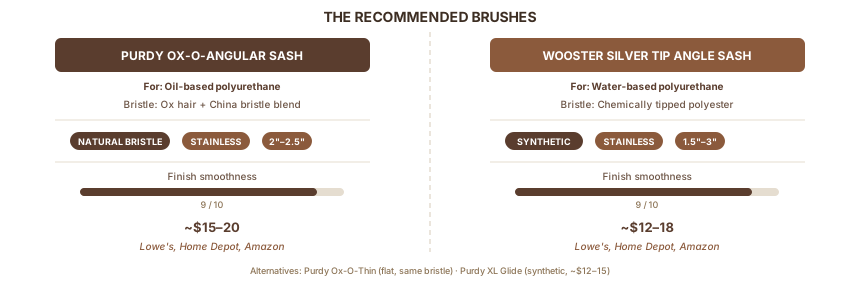
Buy the Purdy Ox-O-Angular Sash brush. It's the most consistently recommended natural bristle brush across woodworking forums, professional finishing guides, and tested reviews. Ox hair blended with white China bristle. Ox hair is finer than pure China bristle, so it leaves fewer visible marks. Stainless steel ferrule. About $15-20 in the 2" or 2.5" width. Available at Lowe's, Home Depot, and Amazon.
If you prefer a flat trim style rather than angled: the Purdy Ox-O-Thin is the same bristle composition and costs about the same.
For water-based polyurethane:
Buy the Wooster Silver Tip Angle Sash brush. It uses a chemically tipped polyester filament that is very fine and flexible, designed specifically for fast-drying finishes. Professional finishers cite it more than any other synthetic brush for water-based work. About $12-18. Also at Lowe's, Home Depot, and Amazon.
Alternative: the Purdy XL Glide (nylon/polyester blend, ~$12-15) performs nearly as well.
What about foam brushes?
Foam brushes are fine for small flat pieces: a cutting board, a small box, a jewelry piece. For anything the size of a cabinet door or larger, skip them. The problems:
- Introduce air bubbles into the finish, especially if you overload the brush
- Solvents in oil-based poly can degrade the foam mid-application
- They get soggy on large pieces and lose control of film thickness
- Edges of the foam can leave ridges
A $1 foam brush on a $40 cutting board is fine. A $1 foam brush on a dining table you spent 30 hours building is a bad trade.
Why cheap brushes fail:
A $5 no-name brush sheds bristles. Once a bristle lands in curing polyurethane, it's there until you sand that coat back. The math: one ruined coat plus an hour of remedial sanding costs more in time than the $10-15 difference between a cheap brush and a Purdy.
Part 3: What to Look for in a Brush
Four things distinguish a quality finish brush from a cheap one:
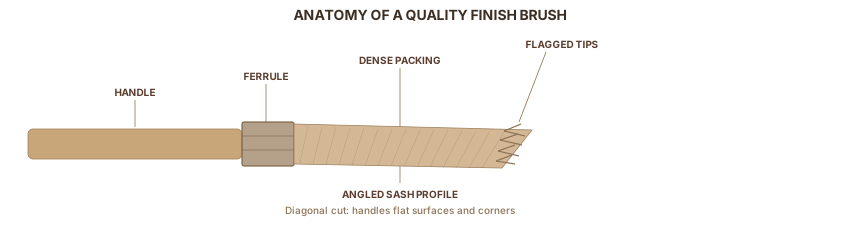
Flagged tips: The bristle ends are split, like hair with split ends. These "flags" hold more finish in the bristles and release it more smoothly onto the surface. Princeton Brush Company explains how flagged tips distinguish quality finish brushes from cheap utility ones. Cheap brushes have uniform, unflagged tips that hold less finish per stroke.
Ferrule: The metal band connecting the bristles to the handle. Quality brushes use stainless steel with a double or triple crimp. A poorly crimped ferrule lets bristles pull out during use. That's how you get bristles embedded in your finish.
Dense bristle packing: More bristles per unit of ferrule width means more finish-holding capacity per stroke. Dense bristle packing is visible — quality brushes look full and weighty. Cheap brushes look sparse.
Angled sash profile: The bristles are cut at an angle rather than straight across. This makes the brush versatile: handles flat surfaces and cuts cleanly into corners. For most woodworking finishing, go angled sash.
Size guide:
| Brush Width | Best For |
|---|---|
| 2.5–3" | Table tops, bookshelves, doors, large flat panels |
| 1.5–2" | Trim, edges, cabinet doors, smaller pieces, detail work |
For a first project, a 2.5" angled sash covers everything.
Part 4: How to Apply Polyurethane with a Brush
The brush choice matters, but technique is what determines the final result. The right brush used wrong still produces brush marks.
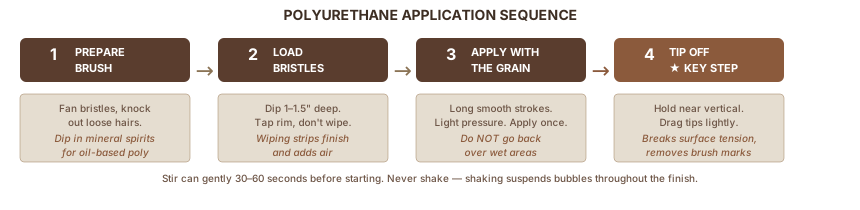
Before you start:
Fan a new brush between your palms to knock out any loose bristles before they reach your wet finish. For oil-based poly, dip the brush briefly in mineral spirits and wipe it dry on a clean rag. This conditions the bristles and removes manufacturing residue.
Stir the can gently for 30-60 seconds. Don't shake it. Shaking suspends thousands of air bubbles throughout the liquid. Those bubbles transfer to the surface and get trapped as the finish cures. Gentle stirring keeps the finish clear and bubble-free.
Loading the brush:
Dip 1 to 1.5 inches of bristle depth into the finish. Don't submerge past the ferrule. Tap the brush on the inside rim of the can to remove excess. Don't wipe across the rim. Wiping strips too much finish from the bristles and pushes air into the can.
Applying the coat:
Apply long, smooth strokes with the grain. Use light pressure. The finish flows from the bristles. You're guiding, not scrubbing. Overlap each stroke by about half to avoid gaps.
Once you've brushed an area, leave it alone. This is the rule beginners most often break. Polyurethane begins to set within a few minutes. Going back over it drags the partially cured film into ridges that harden permanently. Apply each section once. Move on.
Tipping off:
After brushing a section, hold the brush nearly vertical and drag just the bristle tips lightly across the surface in the direction of the grain. One smooth pass per section. This technique breaks surface tension, levels the coat, and releases trapped bubbles. Popular Woodworking's tabletop finishing guide calls tipping off the single most important technique for mark-free brush results.
Tipping off takes 30 seconds. Skipping it means brush marks set permanently.
Coat thickness:
Apply thin. 2-4 mils wet film. The coat should look wet and even, not pooling or dripping. Thick coats run, sag, take twice as long to cure, and develop the bubbles and marks that beginners associate with brushed polyurethane.
For the first coat, thin it about 10% with mineral spirits (oil-based) or distilled water (water-based). A thinner first coat penetrates better and gives you more working time.
Part 5: When to Use Wipe-On Instead
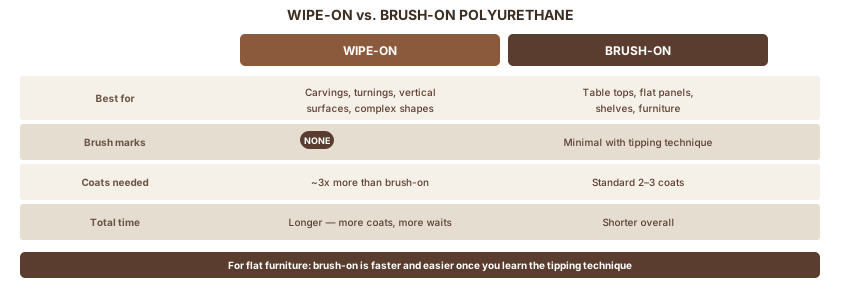
Wipe-on polyurethane is thinned poly applied with a lint-free cloth. No brush, no brush marks, more coats required.
| Wipe-On | Brush-On | |
|---|---|---|
| Best for | Carvings, turnings, vertical surfaces, complex shapes | Table tops, flat panels, shelves, furniture |
| Brush marks | None | Minimal with tipping technique |
| Coats needed | ~3x more than brush-on | Standard 2-3 |
| Total time | Longer (more coats, more drying waits) | Shorter overall |
For most woodworkers finishing flat furniture, brush-on is the right choice. Woodworking Trade's comparison puts it clearly: wipe-on is a solution to complex surfaces and brush-mark anxiety, but it costs you 3x the coats and drying time on flat work. Learn the tipping technique and you won't need the tradeoff.
Part 6: Cleaning and Storing Your Brush
A $15-20 brush, properly cleaned, lasts years. Let the poly cure in the bristles once and the brush is trash.
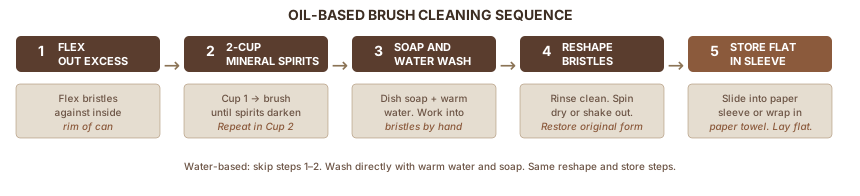
After oil-based poly:
- Flex the bristles against the inside rim of the can to press excess finish back in.
- Rinse in mineral spirits using two cups: brush in Cup 1 until the spirits turn dark brown, then move to Cup 2. Repeat until spirits stay clear.
- Wash with dish soap and warm water. Work the soap into the bristles with your fingers.
- Rinse clean. Spin dry with a brush spinner (a ~$10 drill attachment) or shake firmly outside.
- Reshape the bristles. Slide back into the original paper sleeve or wrap in a paper towel.
- Store flat or hanging. Never rest a brush on its bristles.
After water-based poly:
Wash with warm water and soap until the water runs clean. Rinse, reshape, dry in sleeve.
Between coats:
Don't clean the brush between coats. For oil-based, stand the brush in a small container of mineral spirits with the bristles submerged. This keeps the brush workable for 24-48 hours. For either type, wrapping the brush tightly in plastic wrap and sealing the end works for up to 24 hours.
Clean the brush the moment you're done for the day — while the finish is still wet.
Part 7: Common Brush Mistakes
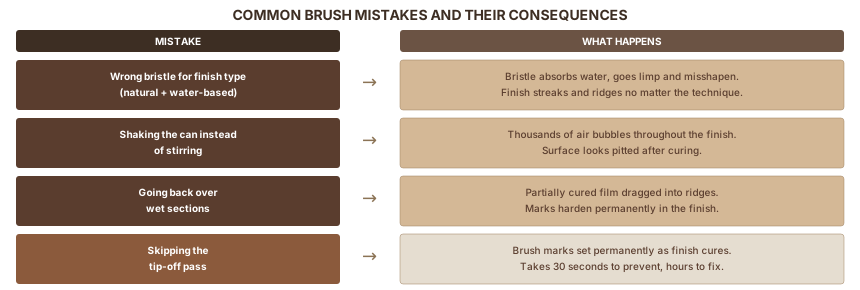
| Mistake | What Happens | Fix |
|---|---|---|
| Natural bristle + water-based poly | Bristles swell, finish streaks and ridges | Use synthetic bristle |
| Cheap brush with poor ferrule | Bristles shed into wet finish, permanent marks | Buy Purdy or Wooster |
| Shaking the can | Bubbles throughout finish, pitted surface | Stir gently 30-60 seconds |
| Going back over wet areas | Permanent drag marks and ridges | Apply once, leave alone, tip off |
| Thick coats | Runs, drips, slow cure | Apply thin; build with multiple coats |
| Skipping tipping off | Brush marks set permanently | 30-second tip-off after every section |
| Not cleaning brush immediately | Cured poly ruins the brush | Clean while still wet, every session |
For diagnosing problems in a finished coat, see Fixing Finish Mistakes.
Where This Fits
This guide covers brush selection. The full application process (surface prep, coat schedules, between-coat sanding, rubbing out) is in Applying Polyurethane. If you're still deciding whether polyurethane is the right finish for your project, Understanding Wood Finishes covers when poly wins and when oil or wax is the better call.
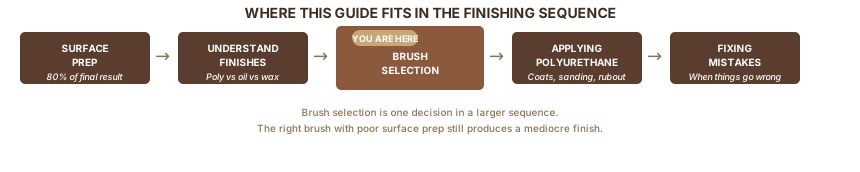
Once you have polyurethane application down, Surface Preparation is the skill that most improves your final result. Surface prep determines about 80% of how good the finished piece looks.
Sources
Brush specifications, technique guidance, and product information in this guide come from professional finishing resources, manufacturer data, and tested reviews.
- AWI QCP: Best Brush for Polyurethane — professional finishing trade organization guidance; natural vs. synthetic bristle rule
- mamaneedsaproject.com: Tested Polyurethane Brush Review (2025) — hands-on comparison of 6 brushes; Purdy Ox-O-Angular confirmed top pick
- Rockler: Wooster Silver Tip — product details and use cases
- Princeton Brush Company: Anatomy of a Paintbrush — flagged tips, ferrule construction, bristle quality indicators
- Popular Woodworking: Brush a Tabletop — brush technique for flat furniture surfaces
- Stumpy Nubs: Oil-Based Polyurethane — expert woodworker technique guidance
- This Old House: How to Apply Polyurethane — application methods comparison
- Woodworking Trade: Wipe-On vs. Brush-On — comparison of application methods
- woodworkingclarity.com: How to Clean a Polyurethane Brush — step-by-step brush cleaning
- Fine Woodworking Forum: Which Brush for Polyurethane — expert community guidance
- Anawalt Lumber: Foam vs. Bristle Brush — when foam works and when it doesn't
- improvewood.com: Foam vs. Bristle for Polyurethane — practical comparison
- Engineer Fix: Apply Polyurethane Without Brush Marks — brush marks causes and prevention
Tagged
Up Next
Oil-Based vs Water-Based Polyurethane: How to Choose
FINISHING · Beginner