
Polyurethane Over Paint at a Glance
Yes, you can put polyurethane over paint. It works on latex, acrylic, enamel, and chalk paint (as long as no wax has been applied). Three things make it fail: applying over uncured paint, skipping the 220 grit scuff-sand, or applying over a waxed or silicone-contaminated surface.
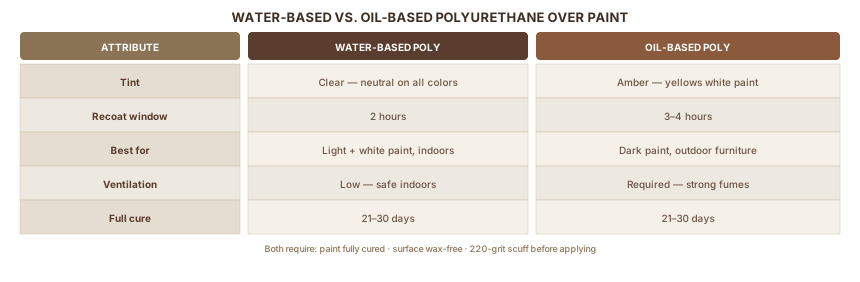
For light or white paint, use water-based poly. Oil-based poly yellows white paint immediately.
| Initial sanding grit | 220 |
| Recoat time (water-based) | 2 hours |
| Recoat time (oil-based) | 3–4 hours |
| Coats for furniture | 3 minimum |
| Wait before applying poly | 24 hrs (ideally 7–14 days for latex) |
| Full cure after final coat | 21–30 days |
In this guide:
- When it works and when it peels
- Paint type compatibility
- How to prep the surface
- Oil-based vs. water-based over paint
- Application process
- Four common problems and fixes
Part 1: When Polyurethane Sticks and When It Peels
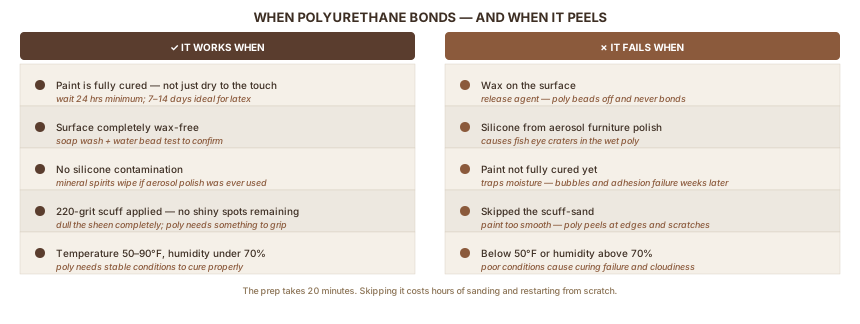
Polyurethane is a film finish. It sits on top of the paint rather than soaking in, so it needs a surface it can grip. Get three things right and it bonds reliably. Skip any of them and it peels.
It works when:
- The paint is fully cured (not just dry to the touch)
- The surface is clean: no wax, furniture polish residue, or grease
- You've scuffed the surface with 220-grit to give the poly something to grip
It fails when:
- Wax is on the surface. Wax is a release agent; poly beads on it and never bonds.
- Silicone is present from aerosol furniture polish. It causes fish eye craters in the wet finish.
- The paint isn't cured yet. Poly traps residual moisture, which leads to bubbling and adhesion failure.
- You skip scuff-sanding. Paint is too smooth; poly has nothing to grip and eventually peels at edges.
- Temperature is below 50°F or humidity above 70%. Poly needs reasonable conditions to cure properly.
The prep takes 20 minutes. Skipping it costs hours of sanding and restarting.
Part 2: Paint Type Compatibility
Most paints work. The two problem cases are waxed chalk paint (no adhesion) and light or white paint with oil-based poly (yellows immediately).
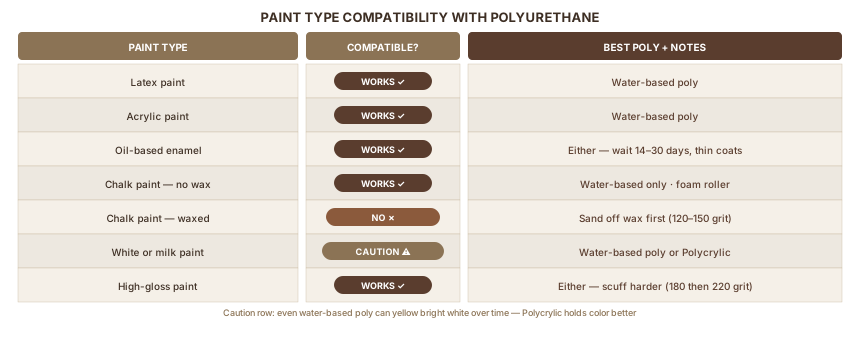
| Paint Type | Works? | Best Poly | Notes |
|---|---|---|---|
| Latex | Yes | Water-based | Clean, scuff, apply |
| Acrylic | Yes | Water-based | May crack over time in temp-swing environments |
| Oil-based enamel | Yes | Either | Wait 14–30 days after paint; thin coats |
| Chalk paint (no wax) | Yes | Water-based only | Porous; 3+ coats; foam roller over brush |
| Chalk paint (waxed) | No | — | Sand off wax first (120–150 grit) |
| Bright white or milk paint | Caution | Water-based | Even WB poly can yellow bright white |
| High-gloss paint | Yes | Either | Scuff harder before applying |
Chalk paint and wax
Chalk paint finishes are almost always waxed. Annie Sloan Soft Wax and similar products are release agents by design. That's how they protect the surface. But that same property prevents poly from bonding. Apply poly over wax and it beads up, fish eyes, or never cures.
Test: drip water on the surface. If it beads tightly and sheets off instantly, wax is present. Fix: sand with 120–150 grit until the waxy feel is gone, then clean thoroughly. You'll remove some paint — that's acceptable. If the chalk paint was never waxed, water-based poly works well; use a foam roller instead of a brush because chalk paint is porous and pulls solvents unevenly.
White and light-colored paint
Oil-based poly has an amber tint out of the can. On dark colors, the amber blends in or adds warmth. On white or light paint, it yellows visibly. Sometimes on the first coat. Per fireplacepainting.com's analysis of poly yellowing, applying oil-based poly over a white surface roughly doubles the rate at which yellowing becomes visible compared to a natural wood surface.
Water-based poly is much better for light paint, but even it can yellow bright white over time. General Finishes warns specifically: "Do not use any water-based clear coat over bright whites — it may cause yellowing." For pure white painted furniture, Minwax Polycrylic (a water-based acrylic, not technically polyurethane) holds color better and is worth considering.
There is no fix for yellowed poly except stripping back to the paint layer and starting over.
Part 3: Prep the Surface in 4 Steps
Most failed finishes trace back to prep. The four steps below take about 20 minutes total, and none can be skipped.
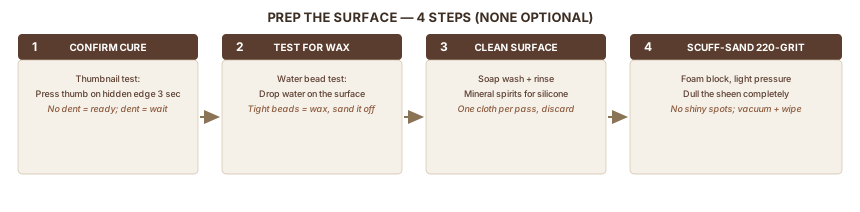
Step 1 — Confirm the paint is cured, not just dry.
Latex paint feels dry to the touch in 1–2 hours but doesn't fully cure for 21–30 days. Applying poly too soon traps residual moisture, causing bubbling and adhesion failure that shows up weeks later. Wait a minimum of 24 hours after the last coat of paint. For best results on furniture, wait 7–14 days. If the surface still smells like paint, wait longer.
The practical test: press your thumbnail firmly against a hidden edge for 3 seconds. No dent at all means it's ready. A dent that fills back in slowly means wait another day.
Step 2 — Test for wax.
Drop water on the surface. Normal paint holds water droplets but doesn't cause dramatic beading. If the water beads aggressively and sheets off instantly, like a freshly waxed car, wax is present. Follow the chalk paint fix above (sand with 120–150 grit) before applying poly.
Step 3 — Clean off silicone and grease.
Wash the entire surface with mild dish soap and water. Rinse, then let dry for at least 2 hours.
Silicone is invisible, doesn't wash off with soap, and causes fish eye — craters in the poly as it dries. The main culprit is aerosol furniture polish (Pledge, Endust, and similar products). If the piece was ever in a living space where aerosol polish was used, treat it as contaminated. Wipe it down with mineral spirits, changing cloths constantly. The goal is to lift and remove the silicone, not spread it around. Cheap throw-away rags work better than shop towels here — use one pass per cloth and discard.
Step 4 — Scuff-sand with 220-grit.
Paint is a smooth film. Poly has nothing to grip on a smooth, glossy surface without mechanical scratches. Minwax, General Finishes, and Varathane all specify 220-grit for this step.
Use a foam sanding block, not your fingers. Light pressure — the goal is to dull the sheen evenly, not cut through the paint. After sanding, check: no shiny spots anywhere. If you see a shiny patch, keep sanding it. Then vacuum and wipe with a damp lint-free cloth. Let the surface dry for 10 minutes before applying poly.
For very high-gloss paint, start with 180-grit to break down the sheen, then finish with 220.
Part 4: Oil-Based or Water-Based?
For painted furniture, use water-based poly. It doesn't yellow, recoats in 2 hours, and works indoors without heavy ventilation.
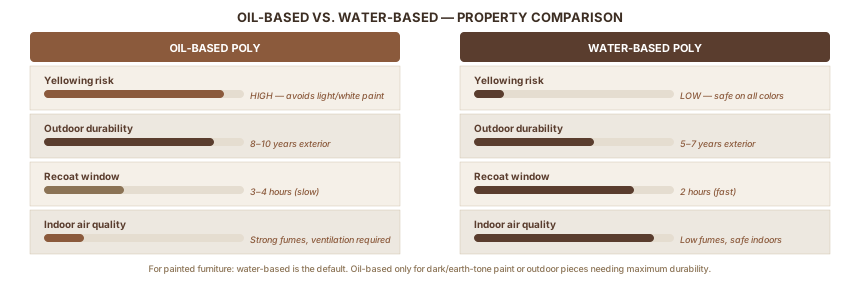
Oil-based makes sense in two situations: dark or earth-tone paint where the amber tone adds warmth, and outdoor furniture where oil-based lasts several years longer. Woodsmithspirit's testing puts oil-based exterior durability at 8–10 years versus 5–7 for water-based.
| Situation | Best Choice |
|---|---|
| White or light-colored paint | Water-based poly or Polycrylic |
| Chalk paint | Water-based only |
| Dark paint or earth tones | Either; oil-based adds warmth |
| Outdoor painted furniture | Oil-based |
| Finish in one day | Water-based (2-hr recoat) |
| Working indoors, limited ventilation | Water-based |
A note on Minwax Polycrylic: it's a water-based acrylic, not polyurethane, but it behaves similarly on painted furniture. It holds color better than most water-based polys on light surfaces and is a solid choice for painted furniture that won't see heavy wear.
For a full comparison of oil-based versus water-based polyurethane on bare wood and painted surfaces, see Applying Polyurethane.
Part 5: How to Apply Polyurethane Over Paint
The application process is the same as applying poly over bare wood. The prep steps above are what's different.
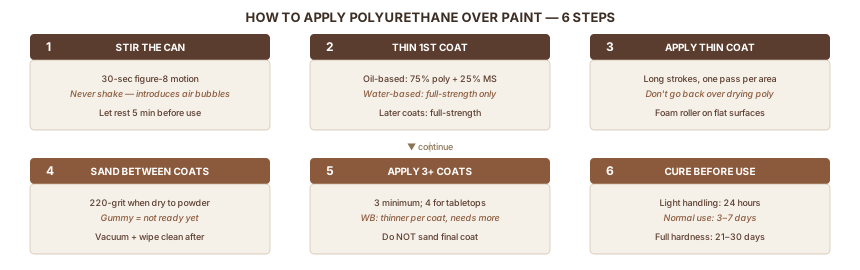
1. Stir, don't shake. Stir gently for 30 seconds using a figure-8 motion. Shaking introduces thousands of air bubbles that transfer to the surface and cure as pinholes. Let the stirred container rest 5 minutes before use.
2. Optional: thin the first coat for oil-based poly. Mix 75% poly with 25% mineral spirits for the first coat. The thinner mixture penetrates the paint surface better and levels more smoothly. Subsequent coats go on full-strength.
3. Apply a thin coat. Use a synthetic brush for water-based, natural bristle for oil-based. Or use a foam roller — it works well on flat surfaces and won't leave brush marks. Apply long strokes with the grain. Leave each area alone after one pass. Going back over drying poly disturbs the leveling film and creates permanent ridges.
4. Sand between coats with 220-grit.
| Product | Recoat Window | Notes |
|---|---|---|
| Water-based poly | 2 hours | GF test: sands to powder (not gummy) |
| Minwax Polycrylic | 2 hours | No steel wool — particles cause rust staining |
| Oil-based poly (Minwax Fast-Drying) | 3–4 hours | Per manufacturer TDS |
| Oil-based poly (Varathane Crystal Clear) | 4 hours | If more than 12 hours pass, must sand before recoating |
Sand every coat lightly with 220-grit. The goal is to knock down dust nibs and create adhesion for the next coat. You're not removing material. Vacuum and wipe clean before the next coat.
Do NOT sand the final coat.
5. Apply 3 coats minimum. Two coats is the minimum; three is standard for furniture. Water-based poly deposits thinner films per coat, so it needs more coats than oil-based for equivalent protection. A tabletop or high-traffic surface benefits from a fourth coat.
6. Cure before use. After the final coat: light handling after 24 hours. Normal use after 3–7 days. Full hardness at 21–30 days. Don't set heavy objects on the surface, use cleaning products, or place hot items on it until fully cured.
Part 6: Four Problems and How to Prevent Them
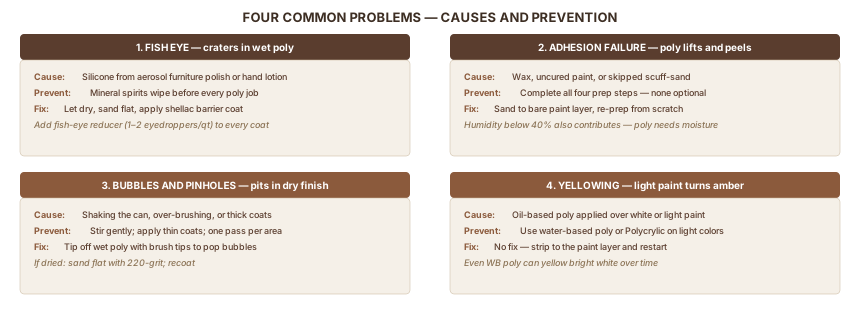
Fish Eye (craters in the wet poly)
Small moon-like craters form in the wet poly as it dries. The cause is silicone — from aerosol furniture polish, hand lotion, or any silicone-containing product that touched the surface. Silicone has extremely low surface tension; poly pulls away from it rather than flowing over it.
Prevention: the mineral spirits cleaning step in the prep section. If fish eye appears despite cleaning, let the coat dry, sand the surface flat, then apply a coat of aerosol shellac (Zinsser Bulls Eye is widely available) without sanding it. The shellac seals the silicone underneath. Apply poly over the shellac.
Alternatively, add 1–2 eyedroppers of fish-eye reducer (sold as Fish-Eye Destroyer, Sil Flo, or similar) per quart of poly. Per Woodshop News's professional column on preventing fish eye, this is the most reliably effective method when silicone contamination is present. Add it to every coat, not just the first.
Adhesion Failure / Peeling
Poly lifts from the paint at edges or scratches. Caused by: skipping the scuff-sand, applying over uncured paint, or wax on the surface. Per the Woodworkers Journal's analysis of poly peeling, humidity below 40% also contributes — poly needs some moisture in the air to cure properly.
There is no fix for peeled poly except sanding back to the paint layer, re-prepping from scratch, and recoating.
Bubbles and Pinholes
Tiny pits or bubbles visible in the dried finish. Cause: shaking the can (most common), over-brushing (going back over a drying section), or applying thick coats. Fix: stir gently and let rest before use. Apply thinner coats. If bubbles appear in the wet coat, drag just the tips of the brush lightly across the surface to pop them before the poly skins over.
Yellowing Over Light Paint
Oil-based poly over white or light paint yellows — sometimes immediately, always eventually. Water-based poly is significantly better but not immune. If you discover yellowing after the fact, there's no fix short of stripping to the paint layer. Use water-based poly from the start on any light-colored painted surface.
Where This Fits
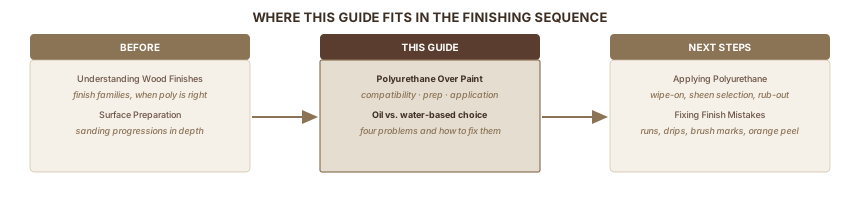
Before this guide: Understanding Wood Finishes explains the finish families and when poly is and isn't the right choice. Surface Preparation covers sanding in more detail.
Related: Applying Polyurethane covers the full application process on bare wood, including wipe-on technique, sheen selection, and rubbing out. How to Apply Polyurethane is a faster overview.
If something went wrong: Fixing Finish Mistakes covers runs, drips, brush marks, and orange peel.
FAQ
How long should I wait to put polyurethane over fresh paint?
Latex paint feels dry in 1–2 hours but doesn't fully cure for 21–30 days. Wait a minimum of 24 hours after the last coat before applying poly. For furniture, 7–14 days gives the best adhesion. Use the thumbnail test: press your nail firmly into a hidden edge for 3 seconds — no dent means it's cured enough. A dent that slowly fills back in means wait another day.
Do I need to sand between coats of poly over paint?
Yes — 220-grit between every coat, not just the first. Sand when the coat has dried to a fine white powder. If it's gummy or sticky, it's not ready. Once sanded, vacuum and wipe with a damp lint-free cloth before applying the next coat. Do not sand the final coat — it removes the sheen you just built.
Can you put polyurethane over chalk paint?
Yes, if the chalk paint was never waxed. Wax is a release agent — poly beads off and never bonds. Run the water-bead test first: if water sheets off instantly, wax is present. Sand it off with 120–150 grit, then clean thoroughly before applying poly. For unwaxed chalk paint, use water-based poly with a foam roller — chalk paint is porous and pulls solvents unevenly when brushed.
Will polyurethane yellow my white painted furniture?
Oil-based poly yellows white paint — sometimes on the first coat. Water-based poly is much better but not completely immune; General Finishes specifically warns against using any water-based clear coat over bright whites. For the best color stability on light-colored painted furniture, use Minwax Polycrylic — a water-based acrylic that holds color better than polyurethane on white and pale surfaces.
Sources
Research for this guide drew on manufacturer technical data sheets and both professional and DIY finishing resources. Specific dry times, coat counts, and grit recommendations come from manufacturer TDS documents where possible.
- Family Handyman — Can You Put Polyurethane Over Paint? — paint type compatibility overview
- Minwax Polycrylic Protective Finish — 2-hour recoat, 220-grit, no steel wool, 3-coat recommendation
- Minwax Fast-Drying Polyurethane — 3–4 hour recoat; 220-grit intercoat sanding
- General Finishes High Performance Top Coat FAQ — white paint yellowing warning; chalk paint streaking; 21-day cure
- Varathane Crystal Clear Polyurethane TDS — 55–90°F application; 4-hour recoat; 12-hour sanding rule
- Woodshop News — Four Methods to Prevent Fish Eye — fish eye causes, silicone science, eyedropper dosage
- Woodworkers Journal — Poly Peeling — adhesion failure causes; humidity requirement
- fireplacepainting.com — Yellowing Polyurethane — yellowing timeline; doubled speed on white paint
- This Old House — Polyurethane vs. Polycrylic — Polycrylic for light-colored surfaces
- woodworkingclarity.com — Chalk Paint + Polyurethane — wax incompatibility; fix options
- Woodweb — Troubleshooting Fish Eye — shellac barrier method; silicone diagnostic test
- woodsmithspirit.com — Polyurethane Over Paint — cure times, failure modes, application overview
- mamaneedsaproject.com — Does Polyurethane Yellow? — yellowing comparison by finish type
- General Finishes FAQ — Oil-Based Over Milk Paint — 24-hour wait; milk paint-specific guidance
Tools Used
Up Next
How Long Polyurethane Takes to Dry (and What Slows It)
FINISHING · Beginner