
Water Stains on Wood Furniture at a Glance
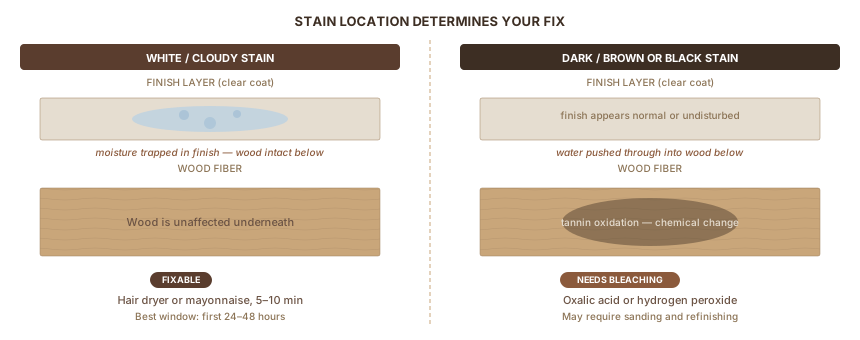
That white ring on your coffee table is moisture trapped in the finish, not in the wood. A hair dryer or a dab of mayonnaise removes most white stains in under 10 minutes. Dark stains mean water reached the wood itself and need bleaching or refinishing. The fix depends on one question: is the stain white or dark?
| White stain | Moisture trapped in finish (fixable at home) |
| Dark stain | Water penetrated into wood (needs bleaching or refinishing) |
| Easiest fix | Hair dryer, 6-8 inches away, 2-5 minutes |
| Best window | First 24-48 hours |
| Most vulnerable finish | Shellac; most resistant is polyurethane |
| When to call a pro | After 2-3 failed methods, or if the piece is an antique |
In this guide:
- Diagnose your stain: white or dark
- Remove white water stains (the easy ones)
- Remove dark water stains (the hard ones)
- Prevent water stains from coming back
Part 1: Diagnose Your Stain: White or Dark
Before you try anything, look at the color. It determines your approach.
White or cloudy stain: The water is trapped between the protective finish and the wood surface. It hasn't reached the wood. The moisture scatters light through the finish layer, which is why it looks milky or hazy. The wood underneath is fine. The Wood Whisperer explains this well: it's a finish problem, not a wood problem.
Dark stain (brown or black): Water pushed through the finish and reacted chemically with the wood fibers. Tannins in the wood, especially in oak, walnut, and cedar, oxidize and darken when they stay wet. Centennial Woods describes how iron-tannin reactions create the blackening you see on water-damaged oak. Once these chemical bonds form, the discoloration is part of the wood itself.
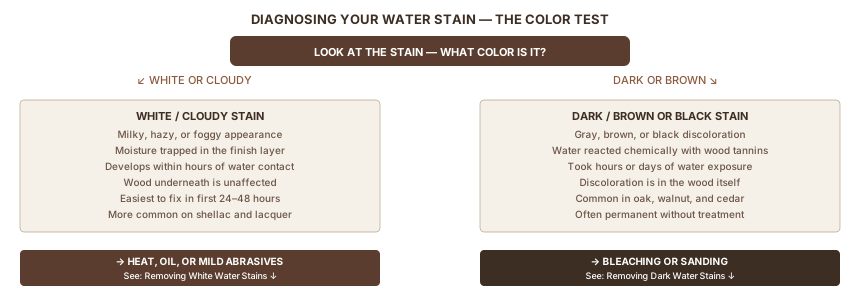
How long you have: White stains are easiest to fix within the first 24-48 hours. Some disappear on their own after a few days, so it's worth waiting before you start scrubbing. Beyond a week, the moisture starts migrating deeper. Dark stains are generally permanent without aggressive intervention like bleaching or sanding.
Your finish matters too. Shellac stains almost immediately from standing water. Lacquer is moderately vulnerable. Polyurethane is the toughest, resisting moisture from most casual contact. If you don't know what finish is on your piece, that's normal. Most people don't. The removal methods below work regardless, but if solvents come into play, finish type becomes critical.
Part 2: Removing White Water Stains
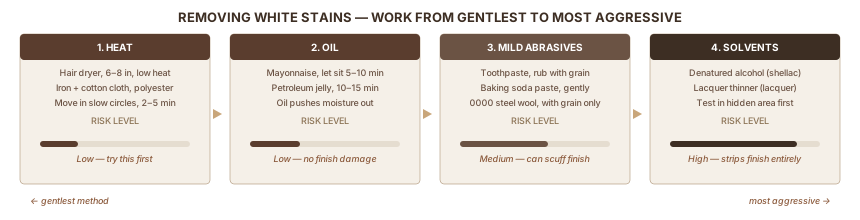
Work through these in order, gentlest first. Stop as soon as one works.
Try This First: Heat
Heat evaporates the trapped moisture right through the finish layer. It's the fastest fix and the lowest risk.
Hair dryer method: Set it to low or medium heat. Hold it 6-8 inches from the stain. Move it in slow circles for 2-5 minutes. The white haze should fade as the moisture escapes. HowStuffWorks recommends this as a first try because the temperature is low enough that you won't damage the finish.
Iron method: More heat, more risk. Set a clothes iron to Polyester (110-150°F). Lay a clean cotton cloth flat over the stain. Press the iron onto the cloth and keep it moving in circles. Paint EZ details this approach. The cloth is non-negotiable. Direct iron contact scorches wood.
If Heat Doesn't Work: Oil
Oil-based methods work by displacing the trapped water. The oil seeps into the finish and pushes the moisture out.
Mayonnaise: Yes, the condiment. Apply a thick layer of regular mayo directly on the stain. Rub gently in circles, then let it sit for 5-10 minutes. Wipe clean and buff dry. Bob Vila and Family Handyman both recommend this. The oil in mayonnaise displaces water from the finish. The vinegar provides mild acidity that helps break down the haze. Bonus: it reconditions the finish.
Petroleum jelly or mineral oil: Same principle, minus the vinegar. Apply, rub gently, let sit 10-15 minutes, wipe, buff. Best on fresh stains within the first 48 hours.
Stubborn Stains: Mild Abrasives
If oil and heat didn't work, the stain is embedded in the finish surface. Gentle abrasion removes the affected layer.
Toothpaste: Use non-whitening, non-gel toothpaste. Apply a small amount to a soft cloth and rub with the grain, not in circles. Homes and Gardens calls this one of the most reliable methods for stubborn white rings. Wipe with a damp cloth and dry immediately.
Baking soda paste: Mix 1 tablespoon baking soda with 1 teaspoon water to make a thick paste. Apply and rub gently with the grain. Gentler than toothpaste and effective on lighter stains.
Steel wool (0000 grade only): This is the finest grade available. Work with the grain using light pressure. Never use coarser grades. Never work against the grain. Either mistake leaves visible scratches that are harder to fix than the original stain.
Last Resort: Solvents
These strip the finish, not just the stain. Use only when you're willing to refinish the area afterward.
Denatured alcohol dissolves shellac finishes. Lacquer thinner dissolves lacquer. Test first: dab a small amount on a hidden spot. If the finish liquefies, you've identified the finish type and found your solvent. Work in small sections, quickly, because both evaporate fast. If you need to go this route, you'll want to read our guide on understanding wood finishes to match your topcoat afterward.
Part 3: Removing Dark Water Stains
Dark stains are harder. The water reached the wood and changed its chemistry. Some come out completely with bleaching. Others improve but leave a shadow. Deep stains sometimes need the piece refinished.
Oxalic Acid Bleaching
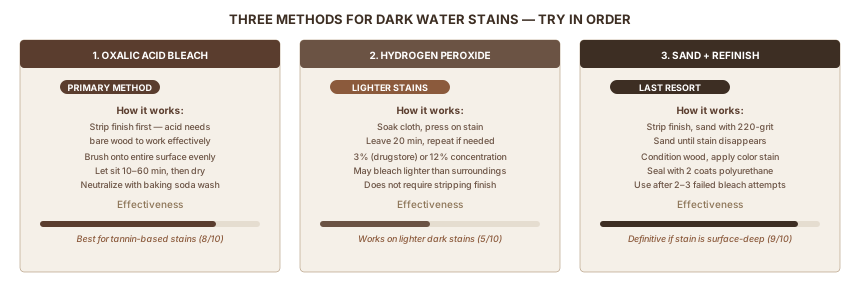
This is the primary method and it works well on tannin-based discoloration. Popular Woodworking calls oxalic acid "a very useful bleach" for exactly this type of stain.
The process requires stripping the finish first. The acid can't work through a protective coating.
- Sand or chemically strip the finish from the stained area.
- Dissolve oxalic acid crystals in very hot water following the product instructions.
- Brush the solution across the entire surface, not just the stain. Spot-treating creates an uneven bleach.
- Let it sit for 10 minutes to an hour, depending on how dark the stain is. Watch it lighten.
- Let the solution dry completely. It forms white crystals on the surface.
- Wash off all crystals with clean water, thoroughly.
- Neutralize the acid with a solution of baking soda dissolved in water.
- Pat dry. Let the wood air-dry for 24 hours before doing anything else.
- Repeat if the stain remains.
Products: Zinsser Wood Bleach and Savogran Wood Bleach are widely available at hardware stores.
Safety: Wear gloves and eye protection. Work in a ventilated area. Oxalic acid is a real chemical, not a kitchen remedy.
Hydrogen Peroxide
For lighter dark stains, drugstore hydrogen peroxide (3%) sometimes works without stripping the finish. Soak a clean cloth, press it onto the stain, and let it sit for 20 minutes. Check and repeat if needed. Apartment Therapy reports the 12% concentration as the sweet spot for hardwood, though it requires more caution.
Warning: Peroxide may bleach the wood lighter than the surrounding area. You might trade a dark stain for a light spot that needs color-matched stain.
When You Need to Sand and Refinish
If bleaching fails after 2-3 attempts, the stain is too deep. At this point you're refinishing, not stain-removing.
Strip the finish. Sand with 220-grit sandpaper, working with the grain. Assess how deep the stain goes. If it's surface-level, sand until the discoloration disappears. If it goes through the wood, you'll reach a point of diminishing returns.
After sanding: condition the wood (prevents blotchy stain absorption), apply color-matched stain, then seal with polyurethane. Two coats, light sand with 220-grit between coats. Our guides on surface preparation and applying polyurethane cover both steps in detail.
Part 4: What Goes Wrong and How to Avoid It
Six mistakes that turn a fixable stain into a bigger problem.
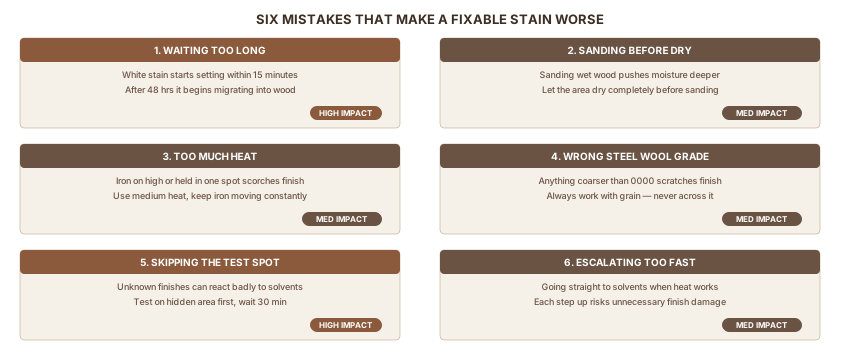
Waiting too long. A white stain starts setting within 15 minutes. After 48 hours, it begins transitioning from a finish problem to a wood problem. Centennial Woods emphasizes that immediate response is the single biggest factor in successful removal.
Sanding before the stain is dry. This pushes moisture deeper into the wood fibers. Let the area dry completely before any mechanical work.
Too much heat. An iron on high or held in one spot too long scorches the finish. Use medium heat and keep the iron moving. If the wood feels hot to the touch, stop.
Wrong steel wool grade. Anything coarser than 0000 will scratch the finish visibly. And always work with the grain. Scratches across the grain are more noticeable than the stain you were trying to fix.
Skipping the test spot. Especially on antiques or pieces with unknown finishes. Find a hidden area: underside of the table, inside a drawer, back of a leg. Apply your chosen method there first. Wait 30 minutes. Check for cloudiness, discoloration, softening, or peeling. If the finish survived, you're clear.
Escalating too fast. Start with the gentlest method. Move to the next one only if the previous one fails. Going straight to solvents or abrasives when a hair dryer would have worked means unnecessary finish damage.
Part 5: Restoring the Finish After Removal
The stain is gone but the treated area looks dull or slightly off-color. Three steps blend it back in.
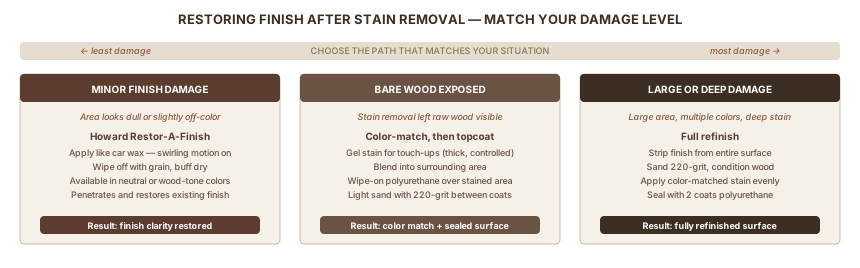
For minor finish damage: Howard Restor-A-Finish penetrates the existing finish and restores clarity. Apply it like car wax: swirling motion on, wipe off with the grain. Available in neutral and wood-tone colors. Minwax has a good walkthrough of this approach.
If bare wood is exposed: Color-match the spot. Gel stain is the best option for touch-ups because it's thick enough to control. Apply small amounts with a cotton cloth, blend into the surrounding area. Touch-up markers work for tiny spots. For larger areas, use a wiping stain with multiple thin coats.
Topcoat: Match the original finish if you know it. If you don't, wipe-on polyurethane is the safest bet. Apply with a cloth in swirling motions, wipe off excess with the grain. Light sand with 220-grit between coats. Two coats minimum. Our applying polyurethane guide has the full process. For other finish types, see understanding wood finishes.
Part 6: Preventing Water Stains
Prevention costs less than any repair.
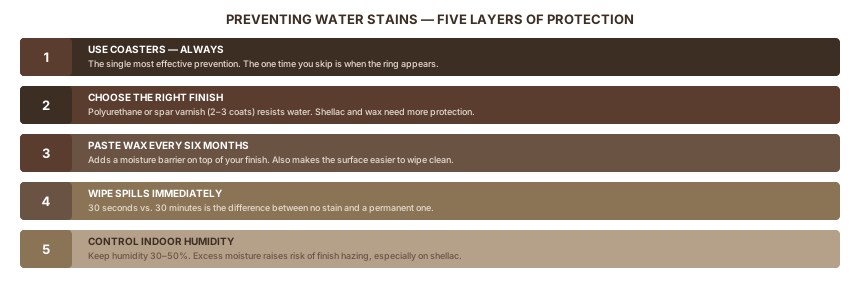
Coasters. Use them every time, for every drink. The one time you skip is when the ring appears.
The right finish. Polyurethane or spar varnish, 2-3 coats, resists casual water contact. Shellac, wax, and oil finishes need more protection. If your dining table has a shellac finish and you have kids, consider recoating with polyurethane. See understanding wood finishes for how different finishes perform.
Paste wax maintenance. A coat of paste wax every six months adds an extra moisture barrier on top of your finish. It also makes the surface easier to wipe clean.
Wipe spills immediately. The difference between a 30-second spill and a 30-minute spill is the difference between no stain and a permanent one.
Control humidity. Keep indoor humidity between 30-50%. Excess moisture in the air increases the risk of finish hazing, especially on shellac.
Part 7: When to Call a Professional
Stop trying DIY methods if:
- You've attempted 2-3 methods and the stain hasn't improved or has gotten worse
- The wood is warped, swollen, soft, or shows signs of rot
- You see mold growth (black or green fuzzy spots)
- The piece is an antique or has significant monetary or sentimental value
- The furniture has upholstery with water damage (needs specialized drying equipment)
- Veneer is separating or joints are loose from water exposure
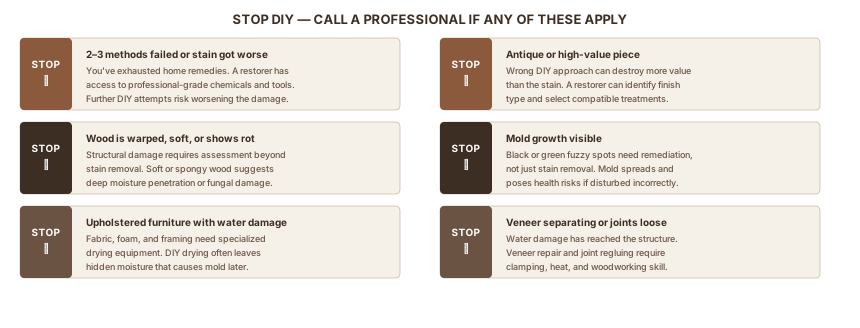
A furniture restorer can identify the finish type, select compatible treatments, and has tools and chemicals that aren't available retail. For antiques, the wrong DIY approach can destroy more value than the water stain ever did.
Where This Fits
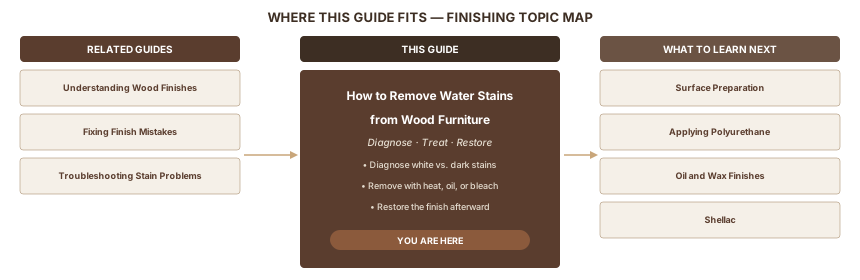
Related guides:
- Understanding Wood Finishes — how different finishes work and which ones resist water
- Fixing Finish Mistakes — broader guide to finish repair beyond water damage
- Troubleshooting Stain Problems — when stain (the coloring product) causes problems
What to learn next: If you're refinishing a piece, surface preparation covers sanding technique and applying polyurethane covers the most durable topcoat option. If you want a finish that handles moisture better, oil and wax finishes and shellac explain the tradeoffs.
Sources
- The Wood Whisperer: Removing Water Spots From a Finish — finish-level diagnosis of white vs. dark stains
- Centennial Woods: How to Remove Water Stains from Wood — chemistry of tannin reactions, time thresholds
- Bob Vila: How to Remove Water Stains From Wood — mayonnaise method, general overview
- HowStuffWorks: How To Remove Water Stains From Wood — hair dryer method, heat-based removal
- Paint EZ: Remove Water Stains from Wood Using an Iron — iron method with temperature specifics
- Family Handyman: Removing Water Stains With Mayo — mayonnaise method validation
- Homes and Gardens: How to Remove Water Stains From Wood — toothpaste and steel wool methods
- Popular Woodworking: Oxalic Acid: A Very Useful Bleach — oxalic acid bleaching for dark stains
- Apartment Therapy: Remove Water Stains with Hydrogen Peroxide — hydrogen peroxide method for dark stains
- Minwax: How To Revive & Repair Old Finishes — finish restoration products and techniques
- Today's Homeowner: How To Remove Water Stains from Furniture — time thresholds, petroleum jelly method
- Fine Woodworking Forums: Shellac and Oil Finishes — shellac vulnerability to water
- Ultra-Guard: How To Protect Wood Furniture From Water Stains — prevention strategies, maintenance schedules
- PNW Restoration Services: Restoring Water Damaged Wooden Furniture — professional escalation criteria
Tools Used
Also Referenced
Tagged
Up Next
Minwax Stain Color Chart: All 36 Oil-Based Colors
FINISHING · Beginner